
The Angel, the Altar, and the Turning Point
I’ve been reading in 1 Chronicles lately and came upon the story of King David demanding that a census be taken of the number of people in Israel (in 1 Chronicles 21:1 it says that Satan rose up against Israel and David and caused David to do this.) His Commander of the Army – Joab – told him it was sin and not to do it, but David insisted.
Now, there’s no prohibition to taking a census in the Law of Moses, and God even asked them to do it several times, but it was at God’s request, not for men to do so and even David’s commander realized it was not a good idea.
In verse 7 – God is very displeased with the census and is going to punish Israel for it. David expresses genuine repentance – acknowledges his sin – and God gives him three choices to choose from: three years of famine, three months of destruction by your enemies or three days of severe plague. David figures it’s better to fall into the hands of God than his enemies and chooses the plague.
So, the Lord sent a plague that killed 70,000 people and an angel was poised in the air over Jerusalem with a sword drawn – ready to destroy Jerusalem.
But just as the angel of death is prepared to strike the Lord says, “Stop! That is enough!”. At that moment, the angel is standing on the threshing floor of Araunah the Jebusite.
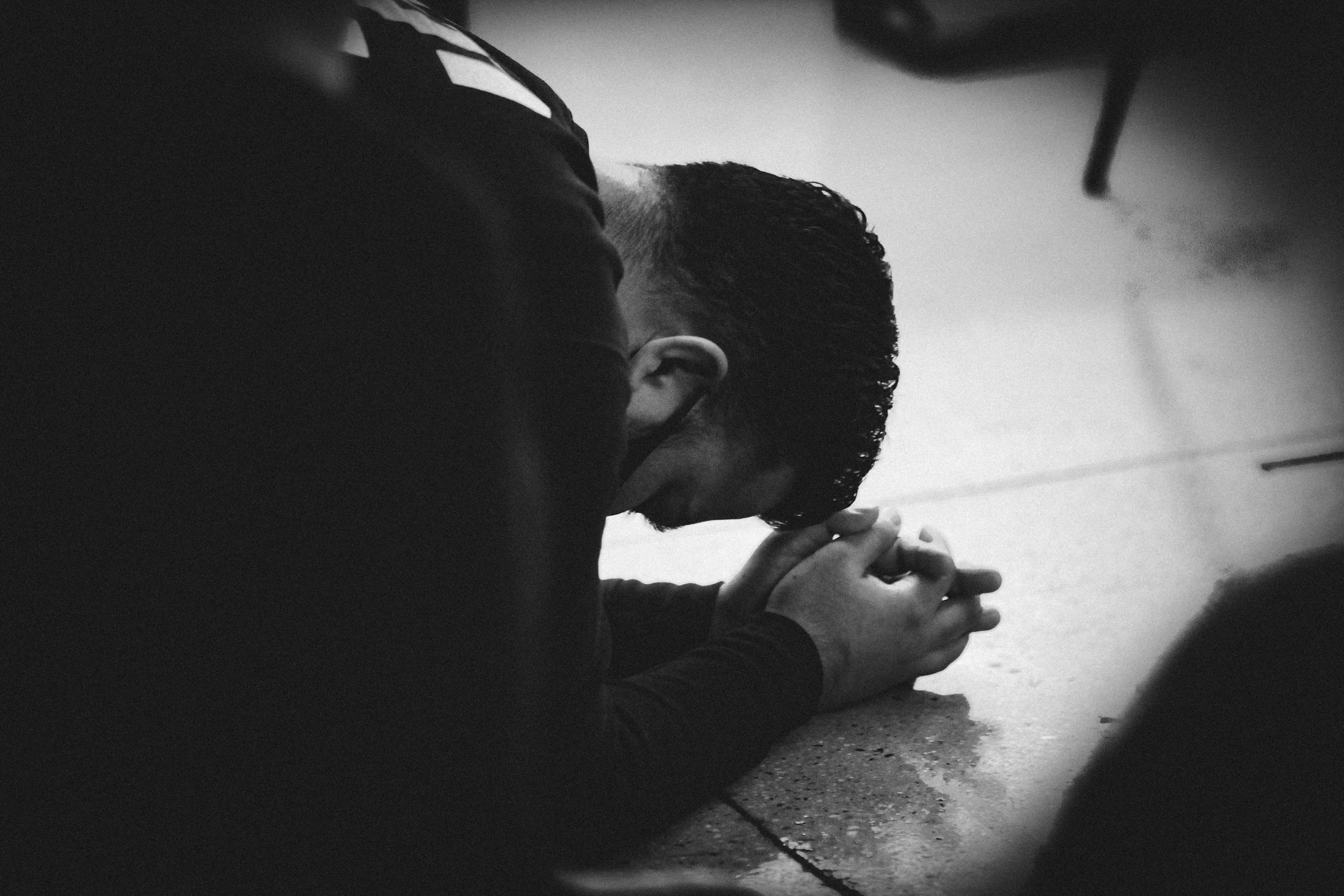
David saw the angel of the Lord standing between heaven and earth with his sword drawn reaching out over Jerusalem. So, David and the leaders of Israel put on burlap to show their distress and fell face down on the ground.
David pleads with the Lord, saying he knows that it’s his fault and to please not destroy innocent people. Let your anger fall on me and my family but please spare these people.
David is instructed to build an altar to the Lord right there on the threshing floor of Araunah. Araunah wants to give this place to David and provide the wood and animals for sacrifice for free, but David refused his offer and bought it himself for full price, saying that he would not offer to God a sacrifice that cost him nothing.
God relents and David and the leaders of Israel worship. What a dramatic scene! And what preceded all this? In earlier chapters we hear echoes of the Book of Joshua – God says I will fight for you – I will give you success – all you must do is be obedient to my commands. David fought many battles, and the Lord has given him victory and peace on all its borders. What happened? Why did David feel the need to take a census?
David, after all his success, began to replace his confidence and trust in the Lord with confidence in himself. He started to “believe his own press”. David wanted to know how large his kingdom had become and how successful he was. Basically, it was pride. Taking God’s glory for himself.
What I find most interesting is that the Lord stopped the plague and showed mercy at the threshing floor of Araunah. David recognized this and declared that this spot will be where the Temple of the Lord will be built and sacrifices will take place right there. (22:1)
The rebellion and sin of man meet with the mercy and grace of God right there. I can’t help but think that for David and all the Israelites- whenever they saw the site of the threshing floor – they would remember what happened there and remember that the seriousness of their sin was met with the mercy and grace of God. This is a foreshadowing of what Jesus did for us.
There’s so much more to say – I’d encourage you to spend some time in 1 Chronicles 17-21 – it made me think about my motives – why I do what I do – am I doing things in my confidence or trusting the Lord and doing it his way. How do I know when I’m doing things in my own strength as opposed to the strength of the Lord? Good questions for another discussion!